How Santa Barbara Soil Affects Sewer Pipes?
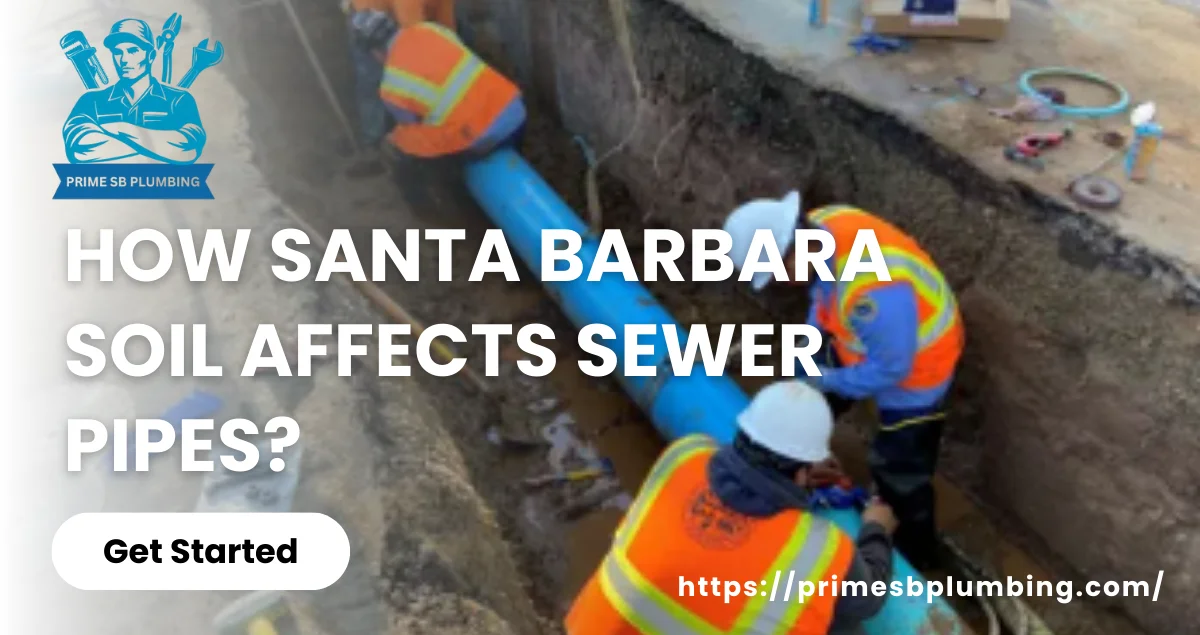
I live in a dream, Santa Barbara, beautiful beaches, perfect weather, and those beautiful Spanish-built houses. However, there is something under that beauty that most homeowners do not consider until it is too late, and this is the soil.
The ground your house is built on can actually damage your sewer lines and result in an expensive backup, yes. And, as you may have sometimes wondered, why there appear to be more sewer headaches here than in other cities, the answer is quite simple: it is beneath your feet.
In this article, the author describes precisely how the special soil of Santa Barbara influences sewer pipes, why sewer backups occur more frequently in our area, and, most importantly, how to prevent sewer backups in Santa Barbara before they become odious and expensive nightmares.
Why Santa Barbara Soil Is Special (and Tricky)
Santa Barbara is located on a combination of different types of soil, which may sound harmless but can cause damage to underground pipes.
Expansive Clay Soil- The Silent Pipe Breaker
Much of the land of the county of Santa Barbara, particularly in the following districts: Montecito, Hope Ranch, and the Riviera, contains what is among scholars called expansive clay or adobe clay.
It is a soil that becomes extremely swollen in the presence of water and shrinks in dry seasons.
It will swell and the water will be absorbed in the clay during rainy winters as in a sponge.
Such swelling exerts massive stress on sewer pipes – to the point of cracking cast-iron, smashing clay tiles, or popping PVC joints open.
During summer, the soil dries, shrubs wither, and the pipe withdraws. The movement leaves loopholes whereby tree roots creep in seeking moisture.
Sandy Soil Near the Coast
More towards the beach (consider Mesa, West Beach, and Summerland), the sandier soil is loose and drifts easily. Pipes that are buried in loose and sandy soil tend to either sag or separate at the joints or form bellies (low points that accumulate waste).
Acidic Soil in Part of the Neighborhoods
Particular pockets in the area of Goleta and the foothills are a little acidic or salty. This gradually corrodes the older metal pipes over the decades, and even concrete.
The result? The broken, displaced, and penetrated sewer lines in Santa Barbara are many times higher than those in cities with steady, loose soil.
Common Sewer Problems Caused by Our Local Soil
As a result of soil movement or attacks on pipes, some costly problems arise:
- Cracked or collapsed pipes
- Pipe joints are offset or separated.
- Root intrusion (ficus, pepper, and eucalyptus tree in particular), Trapped toilet paper, and greasy bellied lines.
- Drains that drain slowly, but then stop being a drain and begin to be a complete backup.
The slightest downpour or a hot summer can make a large crack a significant obstruction within a single night.
Signs You Might Have a Sewer Problem (Don’t Ignore These!)
The ability to detect problems in the initial stages saves thousands of dollars. Watch for these red flags:
- Toilet and drain gurus.
- Difficulty in flushing or draining of numerous fixtures.
- The odor of sewerage in the yard/crawl space.
- Damp, submerged, or over-green ground on your lawn.
- Sudden surge in water bills
Should you observe any of these, immediately have someone call a plumber to inspect his or her camera. The waiting almost always increases the situation.
How to Prevent Sewer Backups in Santa Barbara – Proven Tips That Work
The good news? You may battle against our cunning earth. These are the best methods of preventing sewer backups among the residents of Santa Barbara:
1. Routine inspection of sewers.
Making a fast camera check after every 2-3 years allows you to see little cracks or premature root development and make them an emergency. There are also a number of local plumbers who have cheap annual maintenance packages.
2. Fit a Cleanout (Fit one if you Lack It)
An access point (usually a white or green cap in your yard) is known as a cleanout, and the point of clearing blockages is cheap and quick. Homes that were constructed before 1980 rarely have them. When adding one would cost you between 800-2,000, but you would pay even less than that the first time you save your back.
3. Get Smart on Trees and Landscaping.
- Santa Barbara is very fond of its big, beautiful trees, but some of them are sewer-line destroyers:
- Safe: Citrus, crepe myrtle, olive (non-fruiting), strawberry tree.
- Stay out of close sewer lines: Ficus, Brazilian pepper, eucalyptus, pine, liquidambar.
The following is a recommendation made by the city council on planting new trees at least 1520 feet away from the sewer lateral.
4. Consider Trenchless Sewer Repair or Relining
If you have Orangeburg, clay tile, or severely fractured cast iron pipes, the new trenchless technology can repair your pipes without turning up your lawn.
- Epoxy pipe lining: This involves a felt pipe that is covered with resin and pulled down the old pipe until it hardens, forming a new pipe within the old one. Lasts 50+ years.
- Pipe busting: An old pipe is cut in half, and a new HDPE pipe is drawn to replace the old pipe.
Both of them will be ideal in the tight lots of the expensive landscaping in Santa Barbara.
5. Apply Root Barriers and Root-Killing Foam.
Physical root barriers (thick plastic or metal sheets that are dug in the ground) prevent the roots of your pipe. To prevent the development of large roots out of small objects, copper sulfate foam or foaming root killer (applied twice a year) prevents the growth of small roots.
6. Flush Wipe, Grease “Flushable” Wipes.
Wipes that were labeled as flushable do not decompose such as toilet paper. They form blockages that are rock-solid in a short time, plus our movement of soil. Instead, pour grease in a jar and dispose of it in the trash.
7. Keep Rainwater Out of the Sewer System
The sanitary sewer should never be connected with downspouts, patio drains or sump pumps. The additional water in storms floods the pipes and forces sewage into the houses.
What to Do If You Get a Backup Right Now
- Get a certified plumber who can hydro-jet and possesses camera equipment.
- Evacuate the house in the event that sewage is seeping into the house; call on a disaster clean-up team.
- Write about it to protect yourself (a typical homeowner’s policy will cover burst sewer pipes)
The Cost of Ignoring Santa Barbara’s Soil Problems
A simple snaking might cost $300–$500. The standard process (trenching in the front yard) of performing an entire replacement sewer lateral may cost as little as: $10,000025,000.
Trenchless relining is between 6-15,000 most of the time and will spare you the landscaping and driveway, however.
A single water damage restoration and cleanup? Frequently $5000-20000, and by the time it molds.
FAQS
Conclusion
Beautiful soil is brought with our beautiful city. The clay is swelling, the sand is moving and the roots never cease to grow. However, through a little understanding and care, you will have your sewer pipes flowing well for decades.
Begin with a camera check this year. Talk to neighbors about their experiences (you will be surprised to find how many have already replaced their lines).
And keep in mind: When sewer backups are involved in Santa Barbara, an ounce of prevention saves thousands of dollars of cure.
It is your dream house, and it has to remain a dream, even below ground.
Call to action
The Santa Barbara soil has small sewer pipe issues that may result in an expensive repair process in a short time. Don’t wait.
Install a qualified plumber in Santa Barbara, and secure your pipes; blockages that may cause damage will be avoided.
Request Your Inspection -Quick Reply. Trusted Experts. Guaranteed Results.
Read More
Top Reasons Why Water Heaters Fail in Santa Barbara